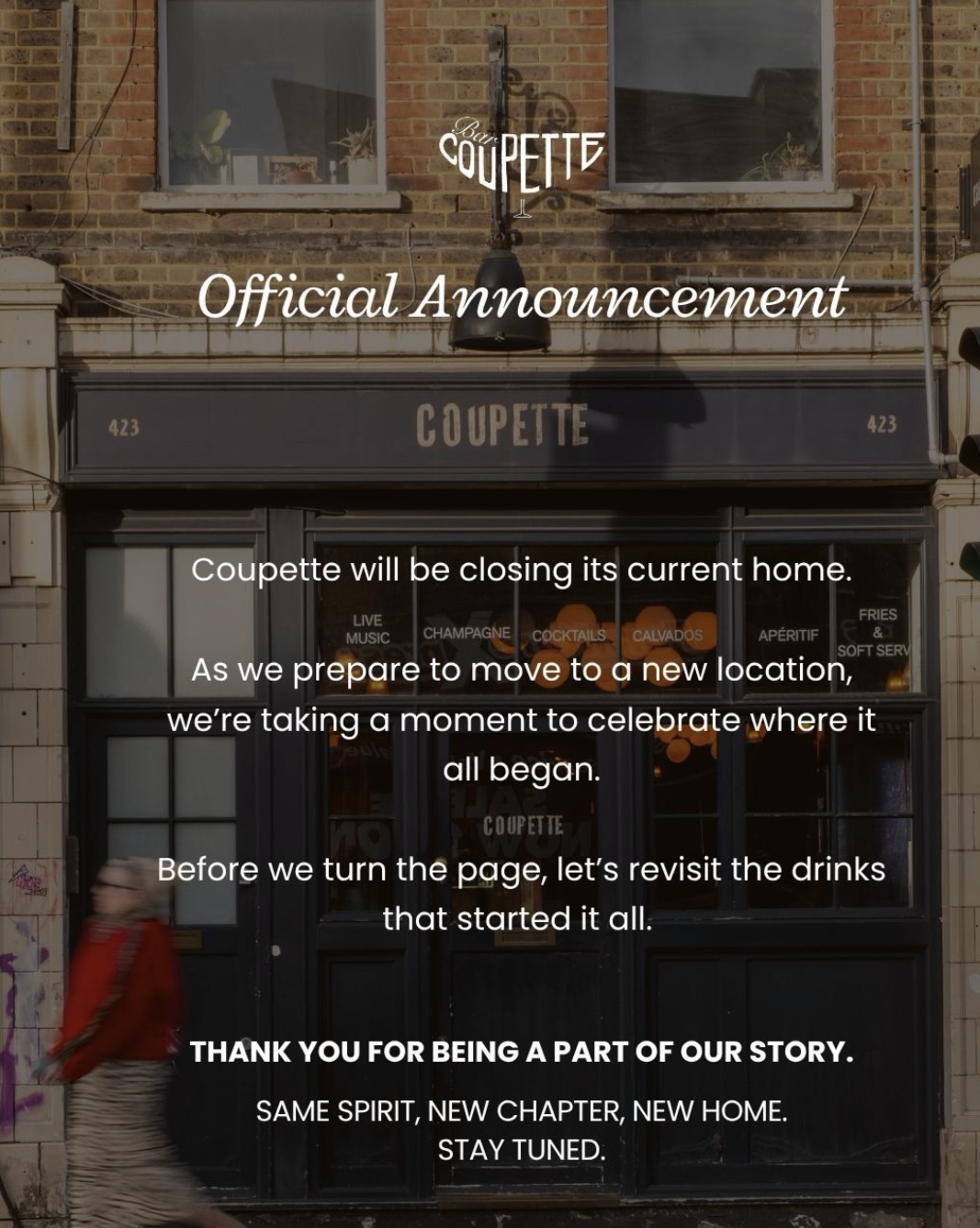
London bars are turning the Piña Colada into something far more than a tourist gimmick. This turns out, the drink’s image as a neon-flecked mess with sugar-heavy paper umbrellas isn’t entirely accurate anymore. In top-tier lounges around the capital, mixologists have quietly upped the ante, using aged coconut milk, fermented pineapple juice, and small-batch rum to craft layered versions. The result, so a beverage that tastes like tropical summer, but with depth and balance so improved it could pass for a vintage French apéritif. Sometimes, simplicity gets thrown under the bus in pursuit of elegance. So now, even seasoned sippers find themselves questioning whether they’ve ever truly tasted the original version properly. There’s almost nothing left untouched in this new wave of refinement.
The Anatomy of a Modern Masterpiece
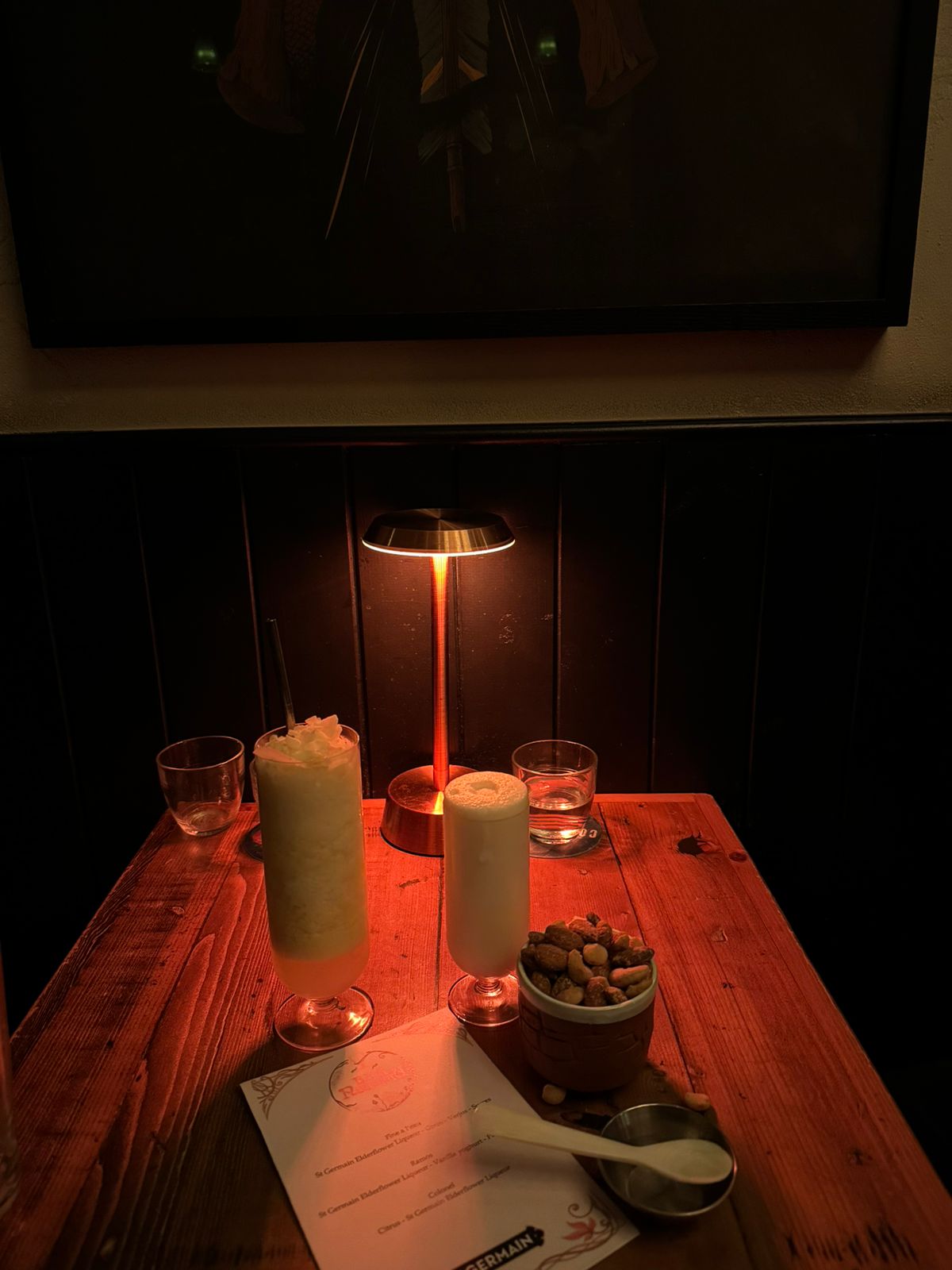
House blends of rum are taking over the Piña Colada scene, blending Rhum Agricole’s grassy kick with aged Jamaican rums’ rich, funky depth. As canned juice still lingers in some corners. Most bars now source their pineapple through roasted versions or fermented tepache, giving sharp acidity and smoky edges. The creamy texture once provided by sugary cream is being replaced by coconut sorbet or toasted coconut infusions, lighter, more layered. In practice, London mixologists are layering spirits to build a custom ‘house rum’ that balances crispness and tropical warmth. Some even wash spirits with coconut milk to cut down on fat without losing flavour. These small changes make the drink feel fresher, less predictable. Mostly, bars aren’t just copying recipes, they’re building new profiles based on real ingredient work. A few places try clarified pineapple water too, which gives clarity and brightness under the surface. The overall effect, so a cocktail that tastes alive instead of sweet and flat
Coupette: The Gold Standard of Innovation
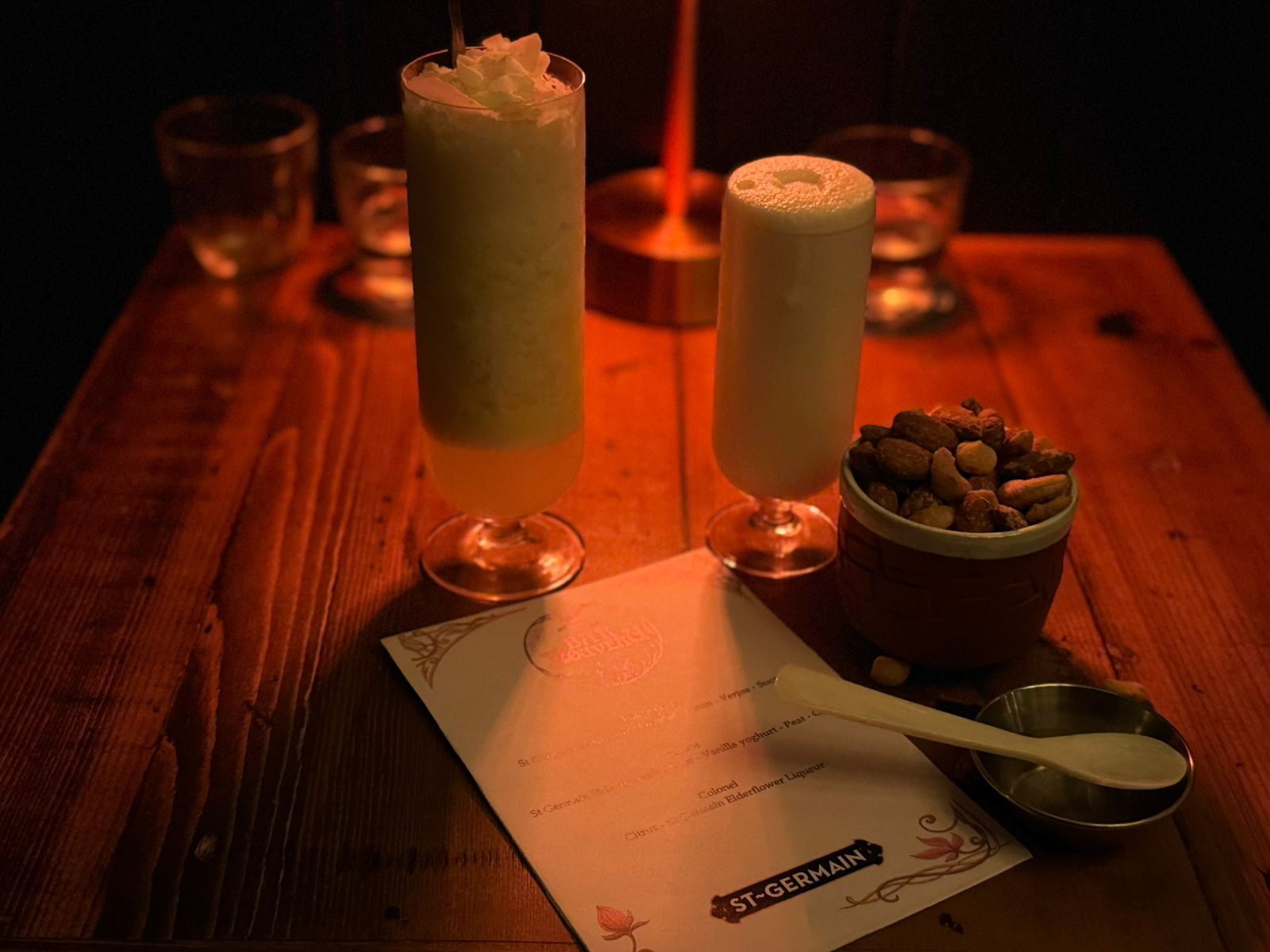
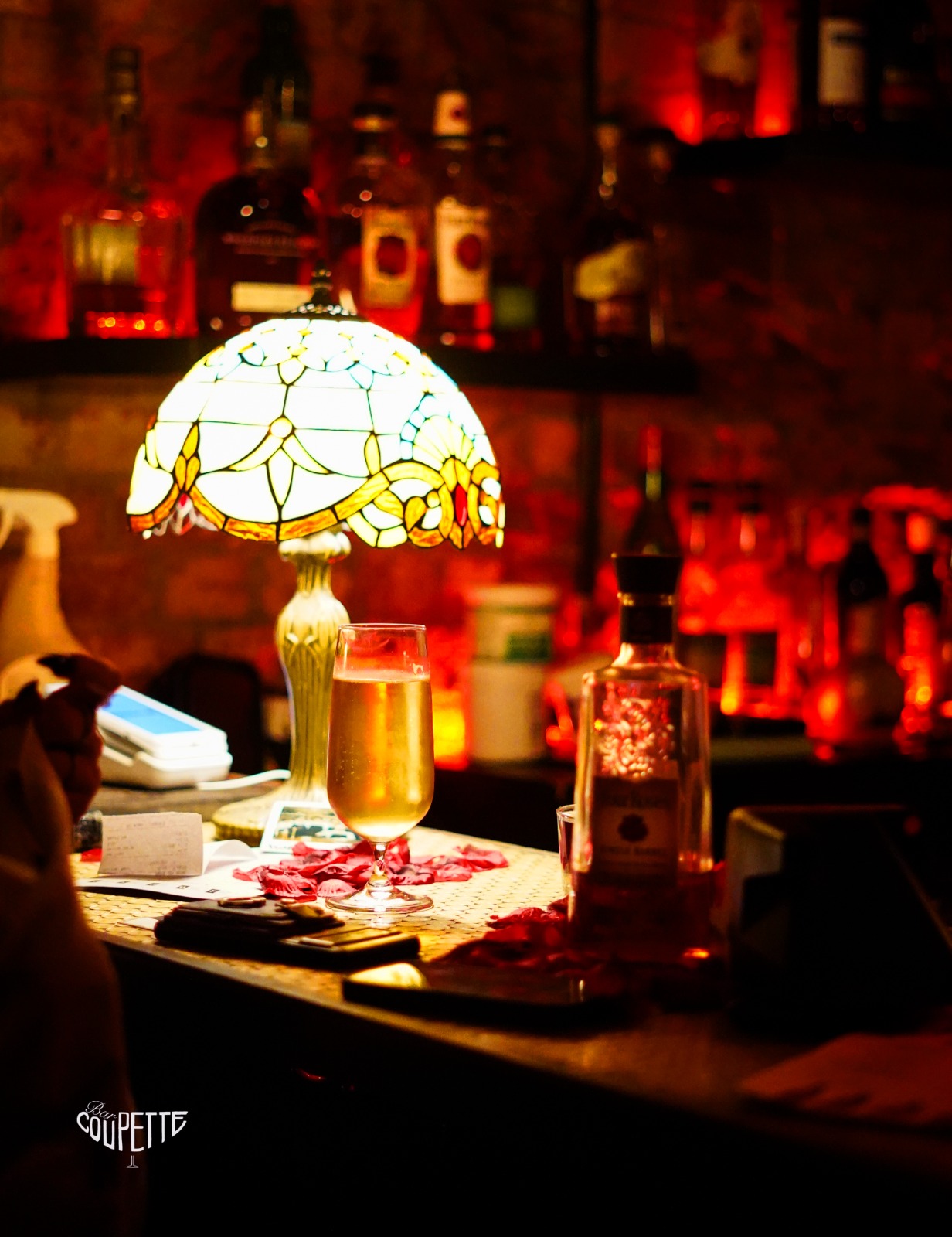
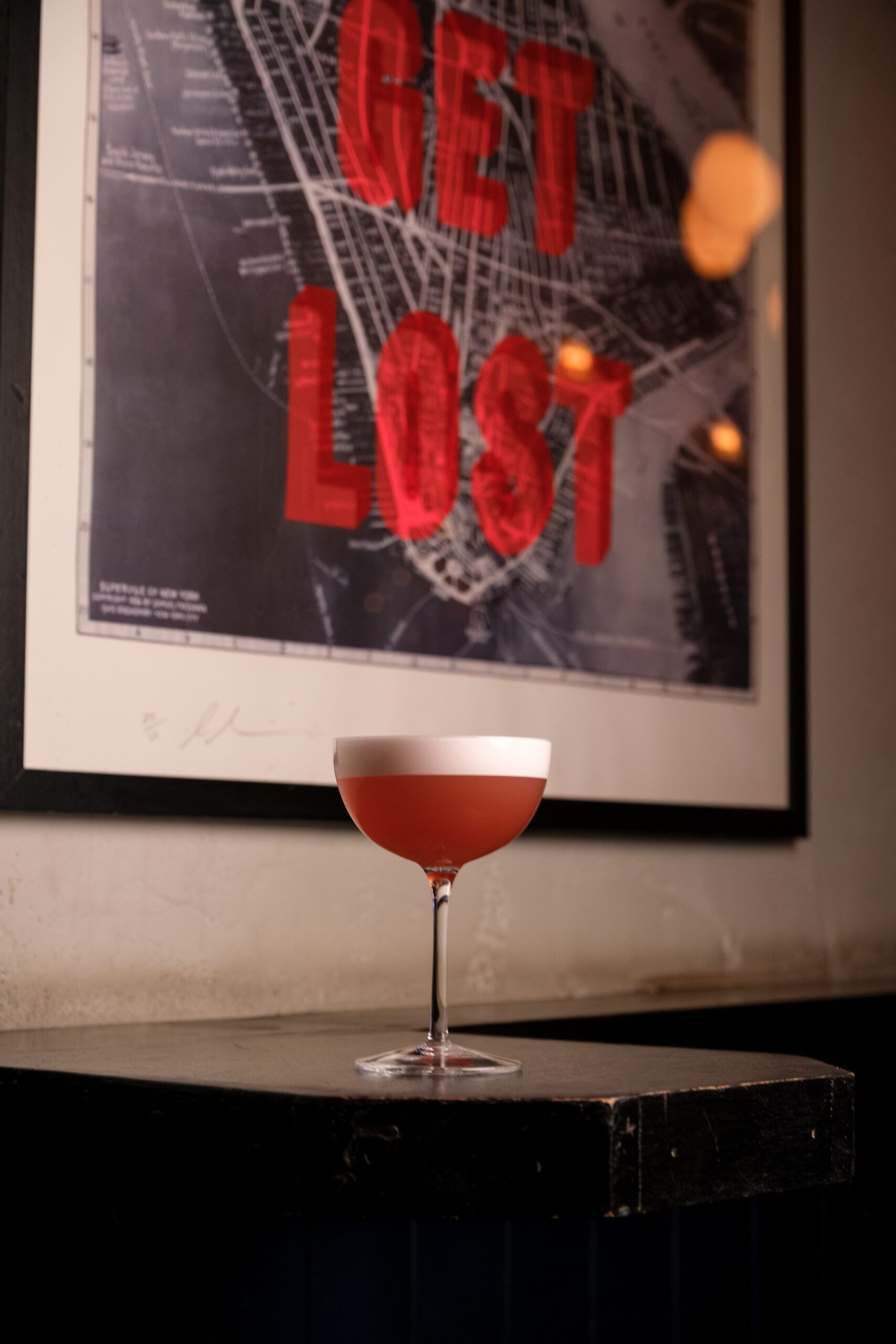
Against all odds, Coupette doesn’t rely on flashy tools – just a few smart choices. In Bethnal Green, it’s become famous for a champagne Piña Colada that quietly redefines what’s possible. For better or worse, this isn’t just sweet; it’s bright and balanced, thanks to brut champagne cutting through the coconut like a clean edge. Instead of blending thickly, they use a gentle method that keeps things airy and shaped. The final pour sits in a plain stemless glass, topped with a soft foam peak and a hint of dried coconut. Overall, it feels almost too simple for something so polished. With no excess drama, the drink honors quality over showmanship. It speaks louder than any fancy garnish ever could.
Creative Twists Across the Capital
The Speakeasy Style ends up offering a kind of immersive experience in Shoreditch and Covent Garden, where drinks are built around old-world flair. Bars there blend spices like anise, sandalwood, or curry leaf into classic coladas, giving them depth one don’t usually see in tropical mixtures. Served in ornate glasses, the result feels more like a relic than a cocktail. They use fat-washing, coconut oil soaked into rum before being chilled and filtered – so the finish stays smooth without any greasiness clinging to the palate. That said, the scientific approach on the South Bank takes a different path altogether. Some places design their own ingredients like “Purple Pineapple,” focusing not on taste alone but on how the fruit breaks down physically. Centrifuges spin the mixture to pull apart solids from liquids. Creating drinks with sharp textures and bold colors that shift from green to deep violet. As it happens, this flips the script on what people expect from tropical libations, now they’re about structure. Science, and surprising visuals instead of just sweetness.
Why This Trend is Staying Fresh
The Piña Colada’s charm survives because it gives people a break from city chaos. Even in London, where rain falls constantly and streets move at speed, a good Piña Colada resets the mind. Now, drinkers are willing to spend more – in particular when they know the drink holds real spirit and ripe fruit. The Clarified Milk Punch method changed how bars make Coladas. Instead of cloudy drinks, they now serve clear versions that look like plain water. But those still deliver the rich, sweet tropical taste people love. Using citric acid and milk proteins, mixologists separate the fat layer and filter out cloudiness without losing flavor. It’s a clean trick that matches today’s polished bar aesthetic, with a surprise twist that hits just right.
The Social Experience of Premium Cocktails
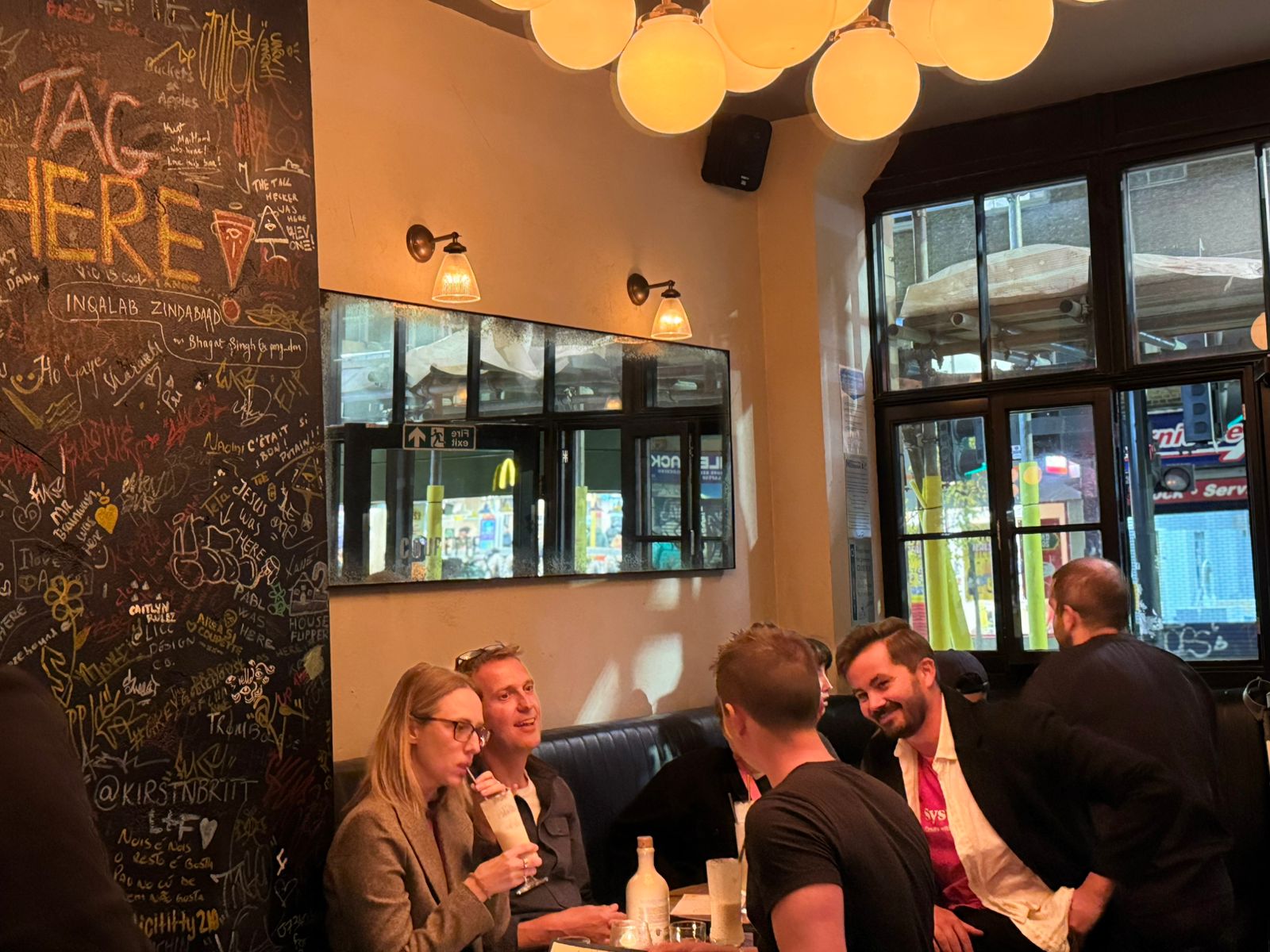
The atmosphere at high-end London bars now feels more open and grounded, shifting from old-world exclusivity to something shared among neighbors. At places like Coupette, the “Art of the host” shines through – drinks stay sharp, The mood stays warm and easygoing. Ordering a signature Piña Colada twist isn’t just about getting a cocktail. It’s stepping into a moment with roots and flavor behind it. Bartenders often spill details on their rum mix or why coconut water was picked over another kind. Mostly, this back-and-forth turns a typical evening into a hands-on experience where taste meets talk. Still, some guests say they’re surprised how much story gets passed around during service.
Tips for Your Cocktail Crawl
A community-driven energy is replacing old-world exclusivity in London’s high-end bars. At places like Coupette, the focus shifts from elitism to hospitality. Where every pour feels intentional and human. The Art of the host isn’t just a phrase, it’s lived through genuine conversations about ingredients and origins. Ordering a signature Piña Colada variation means stepping into a story, not just drinking a cocktail. Bartenders often explain how they selected a rare rum or tested different coconut waters for balance. For now, it’s less about the drink itself and more about understanding its roots. That sense of connection makes each visit feel alive rather than transactional. Still, really, it’s all about sharing moments over something shared – simple, rich, and real.
A Toast to Tropical Sophistication
The Champagne Piña Colada now feels like something more than a drink – it’s a statement. Bars across London have taken the classic and fine-tuned it using French champagne, handcrafted rums, and sharp kitchen methods, turning what was once just a tropical poolside treat into a layered, intentional creation. This shift reflects how much creativity is flowing through the city’s cocktail culture, In particular in hidden soho spots or laid-back venues like Bethnal Green. In practice, flavor isn’t just about sweetness anymore, and it’s balanced, deliberate, and often surprising. At places like Coupette, the drink stands out not because of volume or sugar but due to its complexity and finesse. Even the most familiar recipes can surprise when handled with care and attention. Most nights, patrons notice the difference, smooth textures, clean finish, and begin to rethink what they thought tropics meant in a glass. Generally, the old version fades into memory even though new interpretations gain traction.